About Silpakorn University
History of Silpakorn University
Silpakorn University is a higher education institution under the Ministry of Higher Education, Science, Research and Innovation. It originated from the 'School of Fine Arts' in 1933, founded by Professor Silpa Bhirasri (formerly Corrado Feroci), an Italian artist and sculptor. The school was established to provide education in painting and sculpture to civil servants and students without tuition fees. Later in 1935, it merged with the School of Dramatic Arts and was renamed the 'Silpakorn School,' offering a wider range of subjects. It was eventually elevated to 'Silpakorn University' on October 12, 1943, which is considered its foundation day. On July 2, 2016, the university transitioned from a government agency to an autonomous university under the Silpakorn University Act, B.E. 2559.
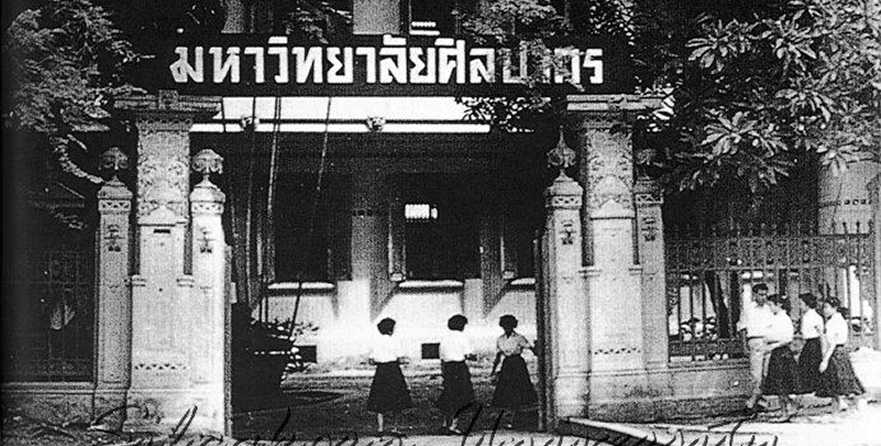
The entrance gate of Silpakorn University, currently the entrance to the Fine Arts Department, taken in 1955.
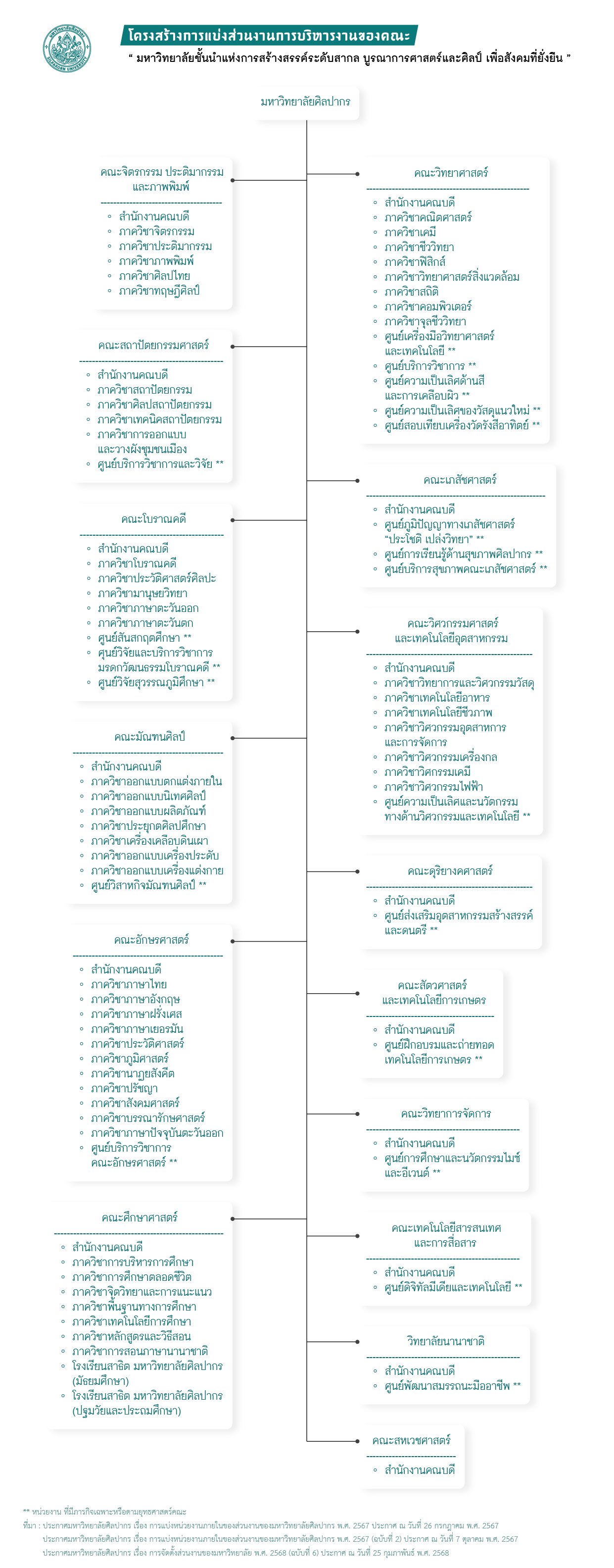
In its initial stages, Silpakorn University's education consisted of the Faculty of Painting, Sculpture and Graphic Arts, the Faculty of Architecture, the Faculty of Archaeology, and the Faculty of Decorative Arts, all located at Tha Phra Palace, Bangkok. As the variety of disciplines expanded, the Sanam Chandra Palace Campus in Nakhon Pathom was established in 1966, opening the Faculty of Arts, the Faculty of Education, the Faculty of Science, the Faculty of Pharmacy, and the Faculty of Engineering and Industrial Technology. Additionally, the Graduate School was established to oversee postgraduate education. In 1997, following the government's policy to expand regional education, the Phetchaburi Information Technology Campus was established, hosting the Faculty of Animal Sciences and Agricultural Technology, the Faculty of Management Science, the Faculty of Information and Communication Technology, and the Silpakorn University International College. The Faculty of Music was also established and is based at the Office of the President, Taling Chan, Bangkok, completing the coverage of all artistic branches.
In the 2017 academic year, Silpakorn University expanded to Muang Thong Thani, establishing a City Campus to support international organization development. This expansion addresses global educational trends, social needs, and national and international expectations, particularly the entry into the ASEAN Economic Community. It also solves space limitations at crowded campuses like Tha Phra Palace and Taling Chan. The City Campus will support future expansions of faculties wishing to operate in the city area.
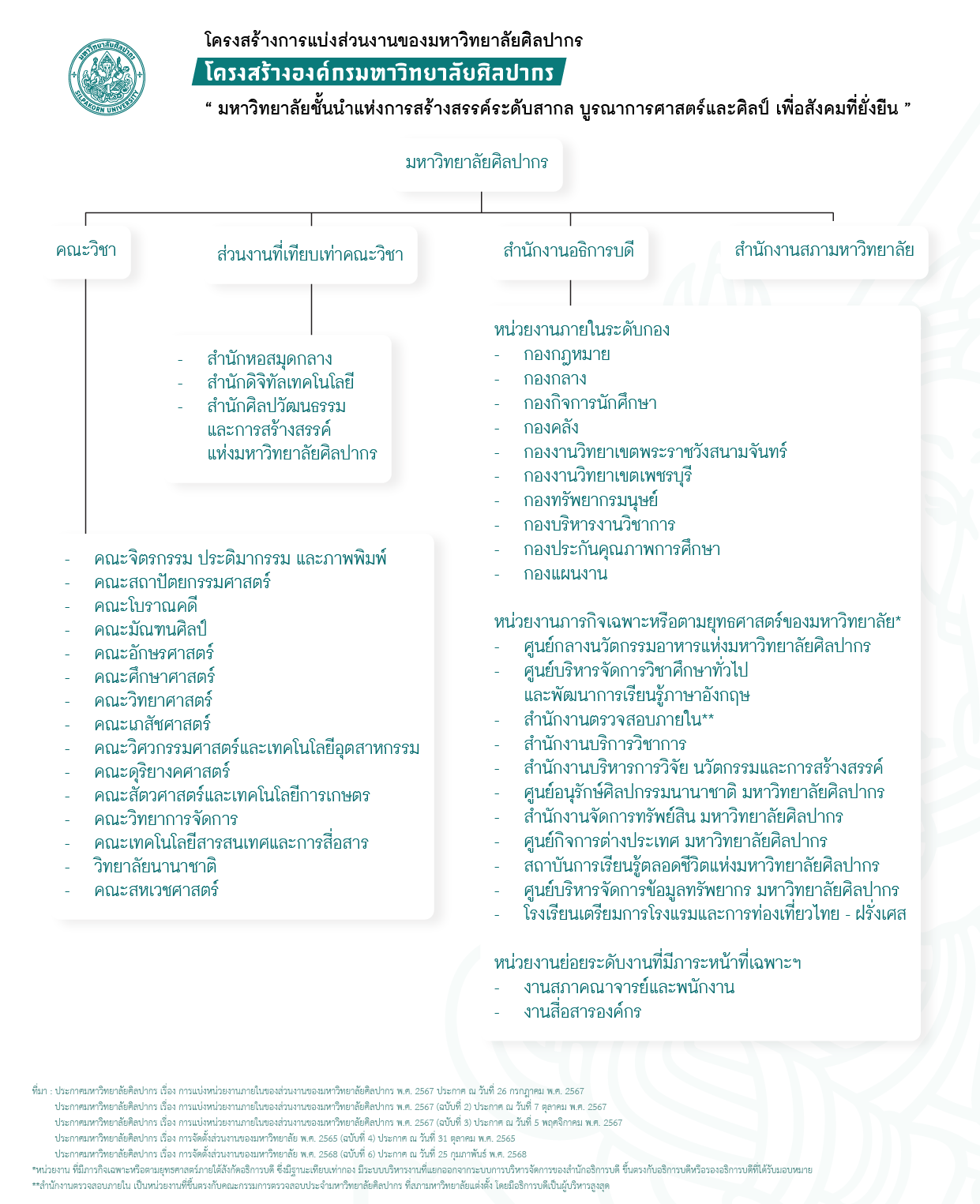
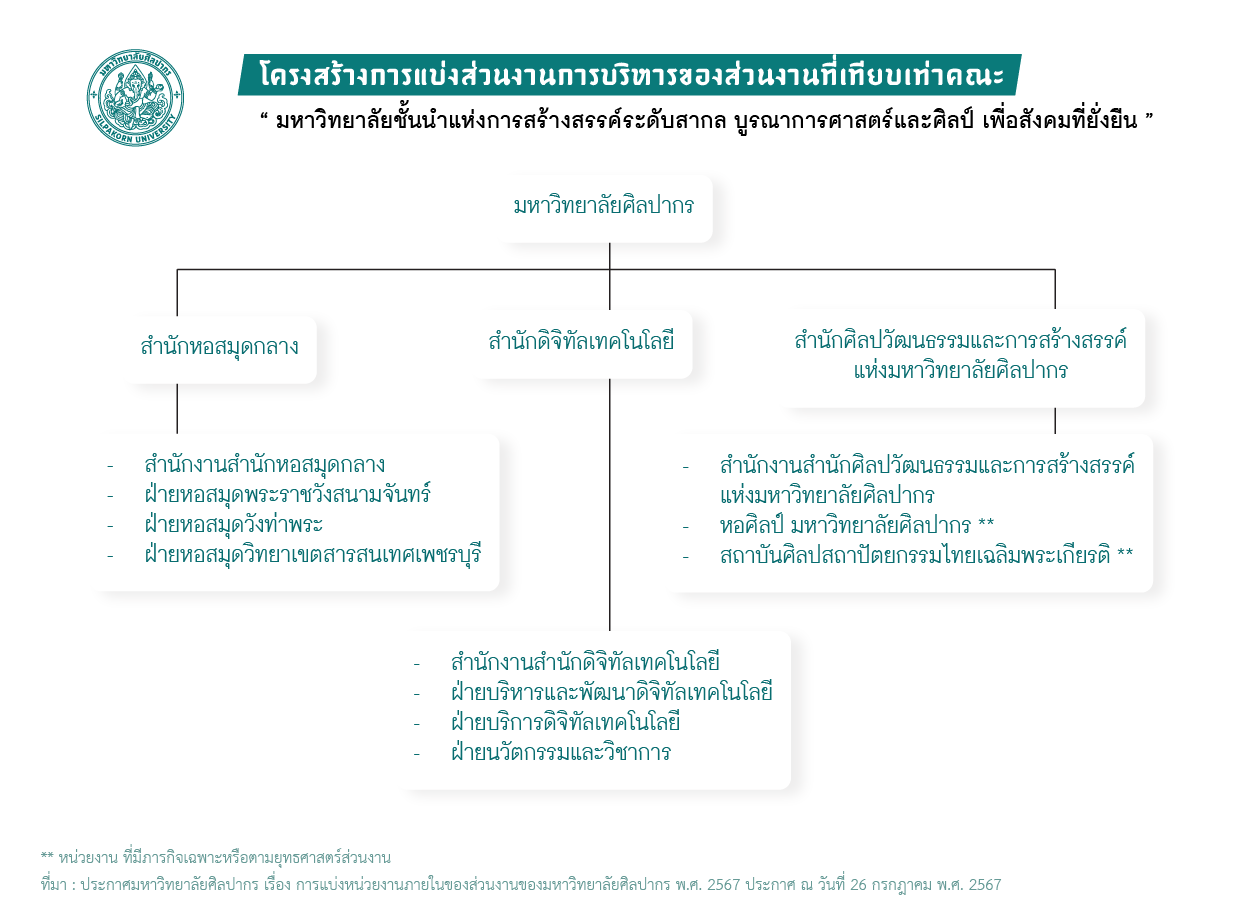
Furthermore, Silpakorn University has support units equivalent to faculties to ensure educational efficiency, including the Central Library, the Office of Digital Technology, and the Art, Culture, and Creative Office. Other strategic units under the Office of the President include the SU Food Innovation Center, the General Education and English Language Learning Development Center, the Internal Audit Office, the Academic Services Office, the Research, Innovation, and Creativity Administration Office, the International Center for Art Conservation, the Educational Innovation Center, the Property Management Office, the International Affairs Center, the Lifelong Learning Institute, the Resource Data Management Center, and the Franco-Thai Hotel and Tourism Preparatory School. The operations follow the university's philosophy: 'Arts and Sciences for Sustainable Nation-building' under the determination: 'Creating Arts, Sciences, and Wisdom for Society' to achieve the vision: 'A leading international creative university integrating arts and sciences for a sustainable society.' The mission is to produce quality graduates with integrity, responsible citizens serving society and the nation, alongside research, academic services, and art and culture preservation.
Silpakorn Identity
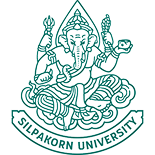
SILPAKORN UNIVERSITY'S EMBLEM
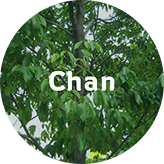
THE UNIVERSITY'S TREE

THE UNIVERSITY'S COLOUR
The symbol of Silpakorn University is Ganesha, the god of success, arts, sciences, and literature. His upper right hand holds a trident, lower right hand holds an ivory tusk, upper left hand holds a noose (pasa), and lower left hand holds a water vessel. He is seated on a cloud throne decorated with Kanok patterns.
Below is the text 'Silpakorn University,' adopted in July 1951. After becoming an autonomous university, the university announced a new logo on August 24, 2016, to replace the Garuda emblem for official use in government documents, stamps, memos, orders, and announcements.
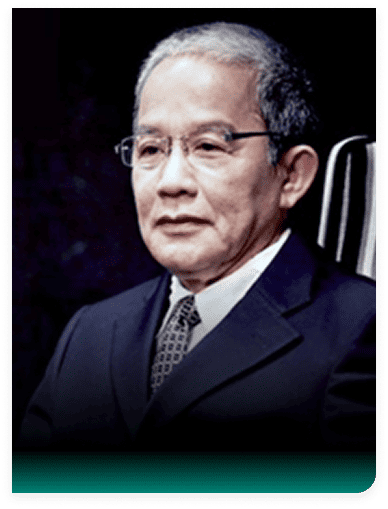
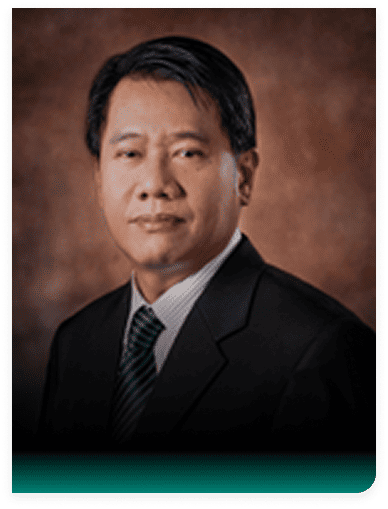
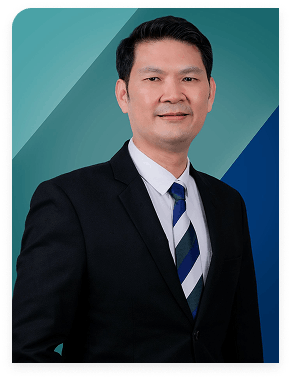
Hall of Fame: Presidents of Silpakorn University
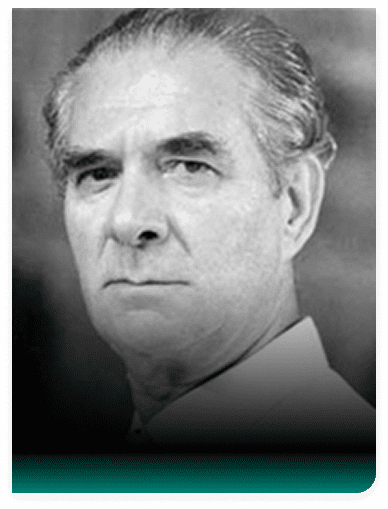
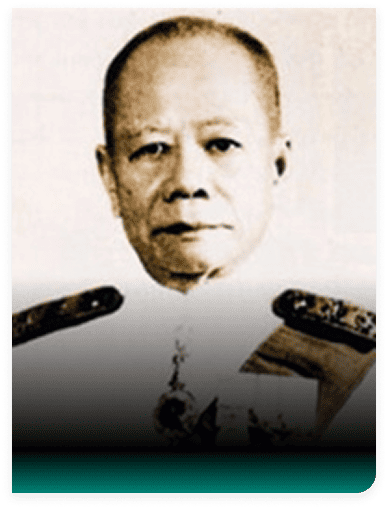
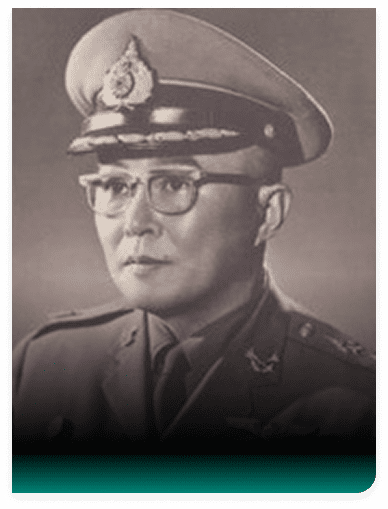
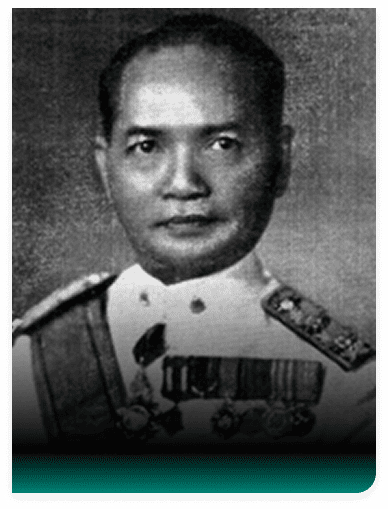
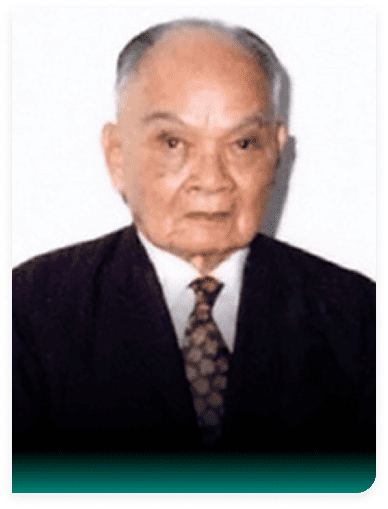
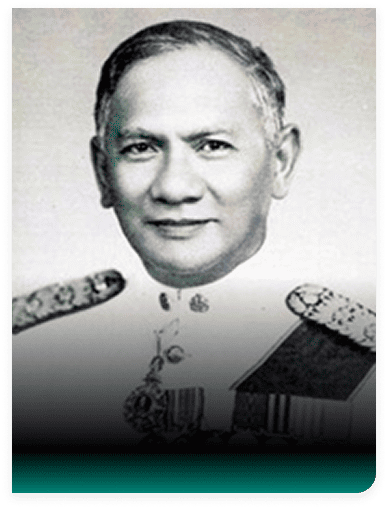
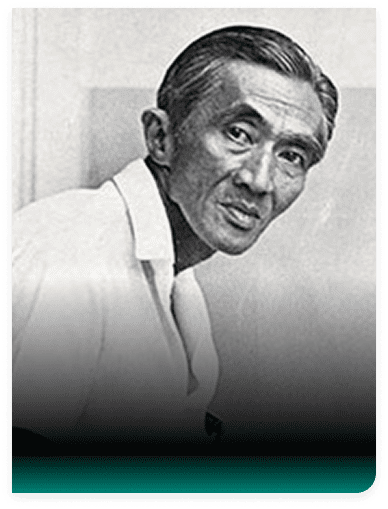
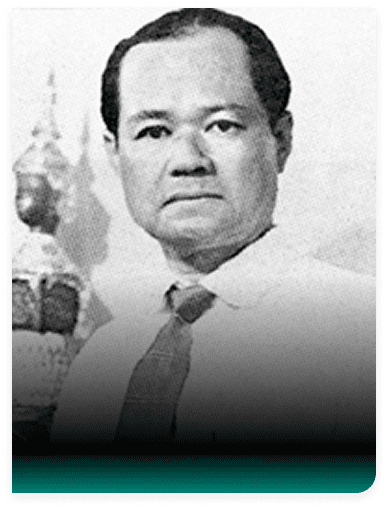
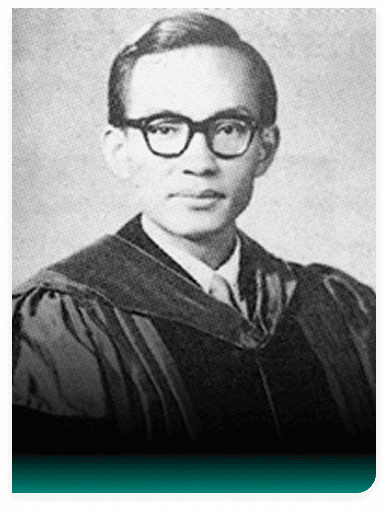
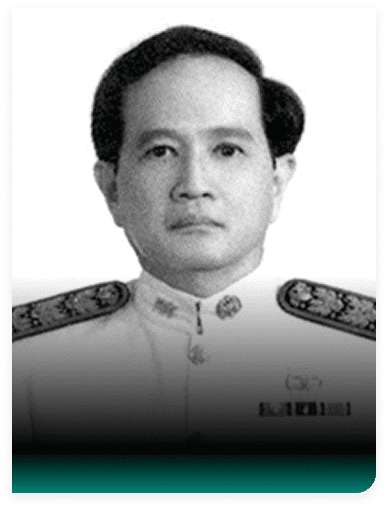
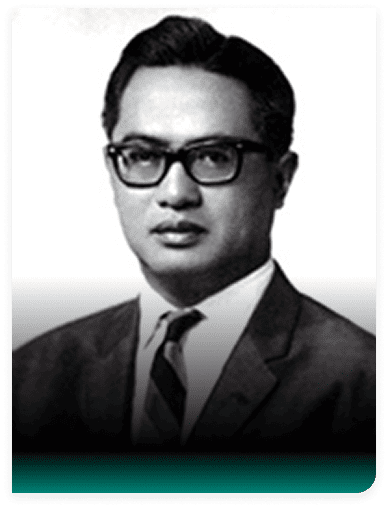
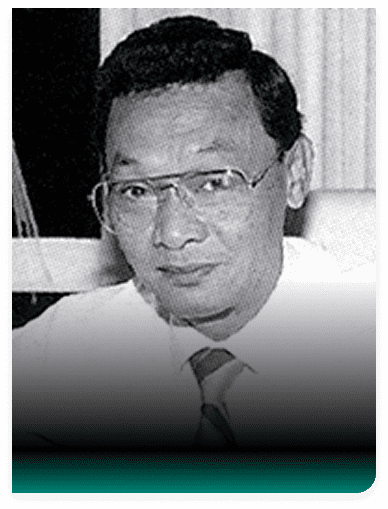

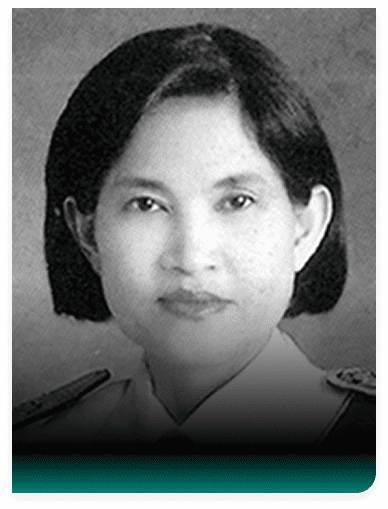
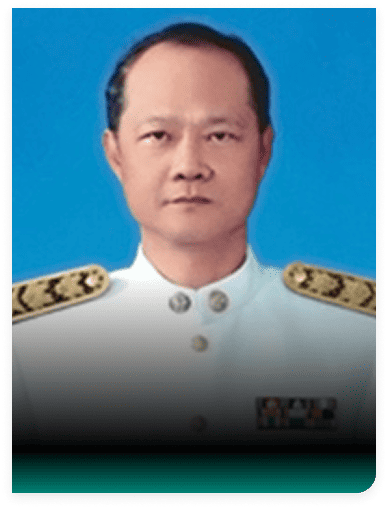

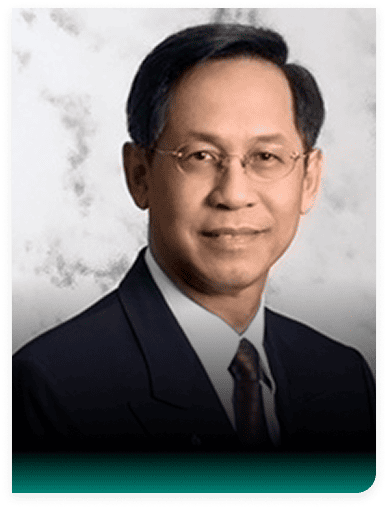
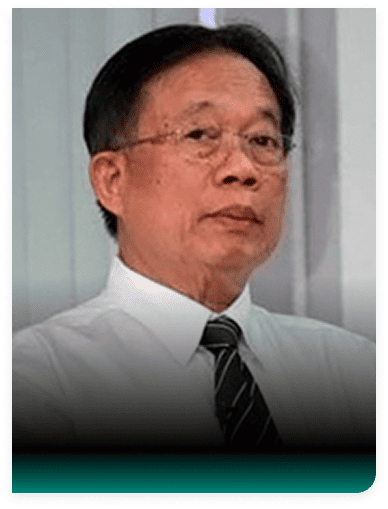
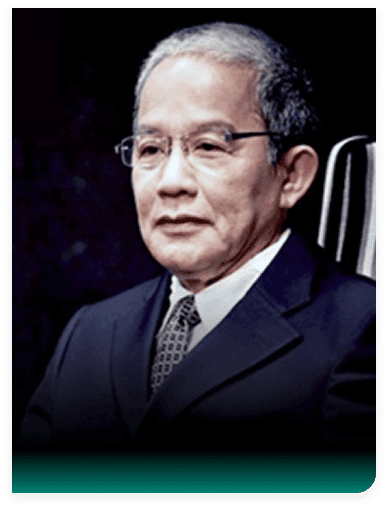
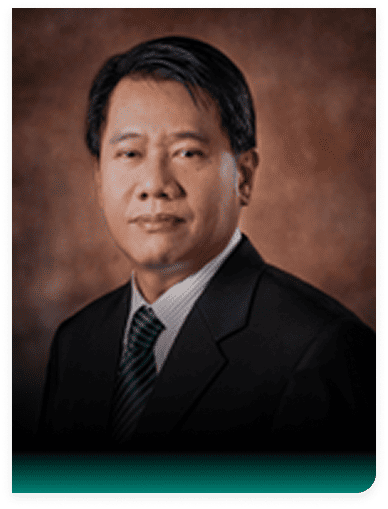

Philosophy of Silpakorn University
“Arts and Sciences for Sustainable Nation-building”
Determination
“Creating Arts, Sciences, and Wisdom for Society”
Identity
“Silpakorn people are creative”
Organizational Culture
Amicability: Faculties and units working together with the university as good friends.
Vision
“A leading international creative university integrating arts and sciences for a sustainable society”
Campus Identity
Tha Phra Palace
Art and Science for Cultural & Design Landmark Campus: Focusing on being a cultural learning space in the Rattanakosin Island area, collaborating with surrounding areas to be Bangkok's cultural landmark.
Sanam Chandra Palace, Nakhon Pathom
Art and Science for Green Campus: Focusing on integrating arts and sciences as a learning space for the western region based on Sustainable Development Goals (SDGs), serving as a hub connecting Ratchaburi and Phetchaburi.
Phetchaburi Information Technology Campus
Art and Science for Community Campus: Focusing on integrating arts and sciences for the communities in Phetchaburi, Prachuap Khiri Khan, and Ratchaburi, based on the Sufficiency Economy Philosophy and sustainable conservation and cultural management.
Muang Thong Thani
Art and Science for International Cultural & Technology Campus: Focusing on integrating arts and sciences by elevating it as the country's international cultural hub, serving as a gateway for awareness and international networking for Silpakorn University.
Strategies
1. To be a leading creative university with excellence in academics and research.
2. To be a university that creates happiness and sustainability for communities, society, and the nation by integrating arts and sciences through research and academic services.
3. To be a university with excellence in administration for organizational sustainability.
Tactics
1. Create international awareness in all university missions.
2. Create learners for global citizenship.
3. Create knowledge from research and creative works.
4. Integrate knowledge of arts and sciences in research/academic services to add value and lead to community, social, and national development.
5. Serve as a hub of knowledge for the preservation and advancement of national arts and culture.
6. Create/develop personnel towards excellence.
7. Develop organizational management systems to adapt to changes with good governance.
Goals: Silpakorn University 15-Year Strategic Plan (2022 – 2036)
Goal 1
Ranked in the top 200 of QS World University Rankings by Subject for Art and Design. Promote global awareness of Silpakorn University's excellence in art, design, and culture, enhancing Thailand's competitiveness. Leverage uniqueness in Aesthetic Arts, Archaeology, Oriental Languages, and Oriental Cuisine to add value and strengthen the economy, society, and communities through academic, research, and talent mobility driven by Silpakorn University.
Goal 2
Achieve at least 2 areas in the Top 10 national ranking of THE Impact Rankings.
Goal 3
Social Return on Investment (SROI) is twice the budget for research and academic services. Areas and communities are developed and solved sustainably. Research and academic service outputs enhance the quality of life and grassroots economy, leading to social happiness and widespread recognition of the university's THE Impact Rankings. The SU Art, Culture, and Creative Office will drive excellence in arts, culture, and design, and a social and economic impact promotion center will be operational.
Goal 4
100% success in becoming a Digital University. Silpakorn becomes a Digital University with IT infrastructure readiness across all campuses. All systems are integrated via a Big Data Platform connecting key systems like REG, ERP, MIS, and RIS. Curricula and instructional formats meet future learner needs. Campuses develop according to their identities, utilizing buildings and spaces with maximum efficiency and effectiveness, increasing awareness among community members and tourists. Personnel at all levels are developed to be ready for change towards excellence and sustainable institutional excellence.
Core Values
University Focus / Expertise
Core Competencies
1. Excellence in creating and transferring knowledge in art and design.
2. Leadership in arts and culture.
3. Creating networks and integrating science, humanities, and social sciences with arts and design.
Educational Philosophy
Organizing education for learners to achieve learning outcomes through Outcome-Based Education (OBE), producing graduate leaders who integrate arts and sciences to create value for society.
University Executives
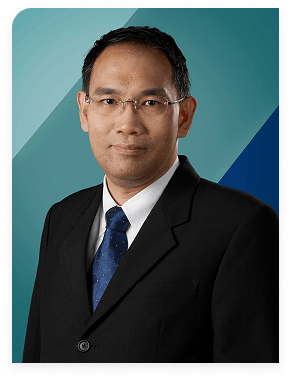
President
Professor Tanasait Ngawhirunpat, Ph.D.
NGAWHIRUNPAT_T@SU.AC.TH
Vice President for Administrative Affairs
Mr. Panjapol Laopoonphat
LAOPOONPHAT_P@SU.AC.TH
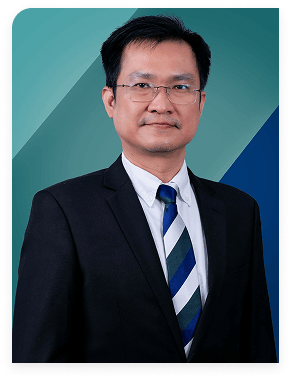
Vice President for Planning and Development
Assistant Professor Non Khuncumchoo, Ph.D.
KHUNCUMCHOO_N@SU.AC.TH
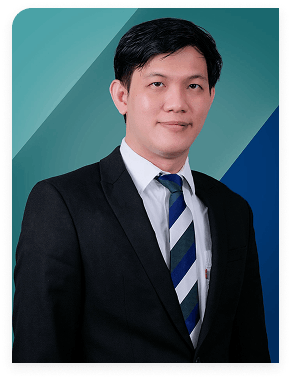
Vice President for Academic Affairs
Associate Professor Prasopchai Patrojanasophon, Ph.D.
PATROJANASOPHON_P@SU.AC.TH
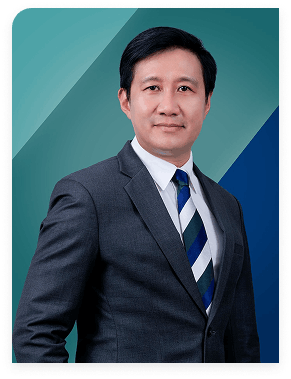
Vice President for Research and enterprise
Associate Professor Prasopchai Pasunon, Ph.D.
PASUNON_P@SU.AC.TH
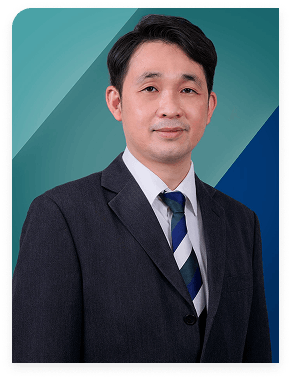
Vice President for Student
Associate Professor Suphachai Tawichai, Ph.D.
TAWICHAI_S@SU.AC.TH

Vice President for Organization Quality Development Affairs
Associate Professor Suchada Piriyaprasarth, Ph.D.
PIRIYAPRASARTH_S@SU.AC.TH
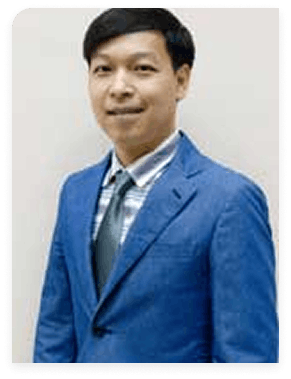
Vice President for Sanamchandra Palace
Assistant Professor Rapiphan Kaewon, Ph.D.
KAEWON_R@SU.AC.TH
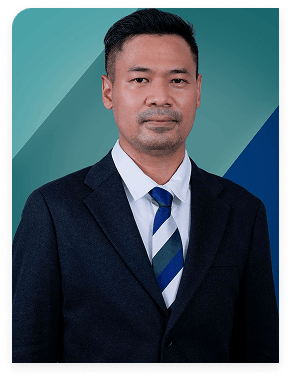
Vice President for Wang Tha Phra & Muang Thong Thani
Assistant Professor Pongpon Yasri
YASRI_P@SU.AC.TH

Vice President for Phetchaburi
Assistant Professor Anan Chaokaur, Ph.D.
CHAOKAUR_A@SU.AC.TH
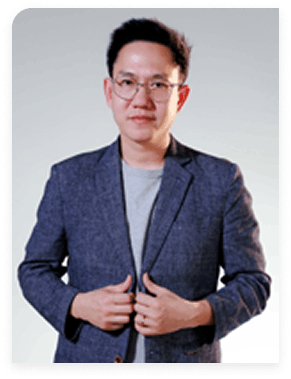
Vice President for Art and Culture
Associate Professor Vichaya Mukdamanee, Ph.D.
MUKDAMANEE_V2@SU.AC.TH

Assistant to the President for Develop organizational quality Affairs
Nukul Dangpumee, Ph.D.
DANGPUMEE_N@SU.AC.TH

Assistant to the President for Academic Affairs
Associate Professor Pornsarp Pornsawad, Ph,D.
PORNSAWAD_P@SU.AC.TH
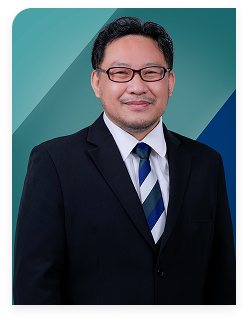
Assistant to the President for Personnel Development
Assistant Profressor Perayot Pamonsinlapatham, Ph.D.
PAMONSINLAPA_P@SU.AC.TH

Assistant to the President for Planning and Physical Management
Phongsathorn Wessabutra
WESSABUTRA_P@SU.AC.TH

Assistant to the President for International Affairs
Parinya Roonpho, Ph.D.
ROONPHO_P@SU.AC.TH

Assistant to the President for Organization Communication
Chisnupong Sirichodnisakorn, Ph.D.
SIRICHODNISAKOR_C@SU.AC.TH
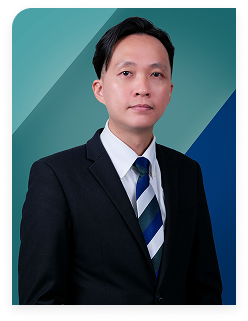
Assistant to the President for Student Affairs, Wang Tha Phra & Muang Thong Thani
Assistant Profressor Supawat Wattanaphikowit
WATTANAPHIKOWIT_S@SU.AC.TH
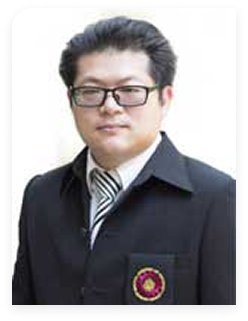
Assistant to the President for Sanamchandra Palace
Assistant Profressor Sujin Woottichaiwat, Ph.D.
WOOTTICHAIWAT_S@SU.AC.TH
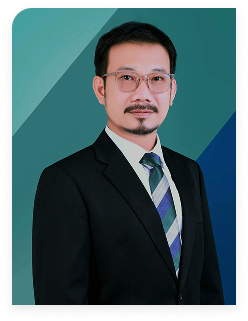
Assistant to the President for Student Affairs, Sanamchandra Palace
Assistant Profressor Thatree Muangkaew, Ph.D.
MUANGKAEW_T@SU.AC.TH
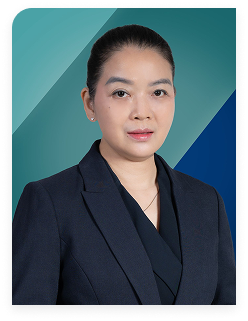
Assistant to the President for Finance
Assistant Profressor Issaraporn Thanupon, Ph.D.
THANUPON_I@SU.AC.TH
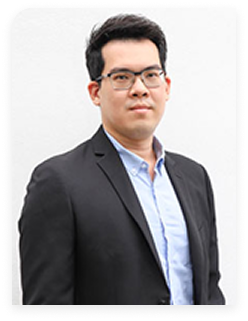
Assistant to the President for Planning and Manage Policy
pipu Boosabok, Ph.D.
BOOSABOK_P@SU.AC.TH